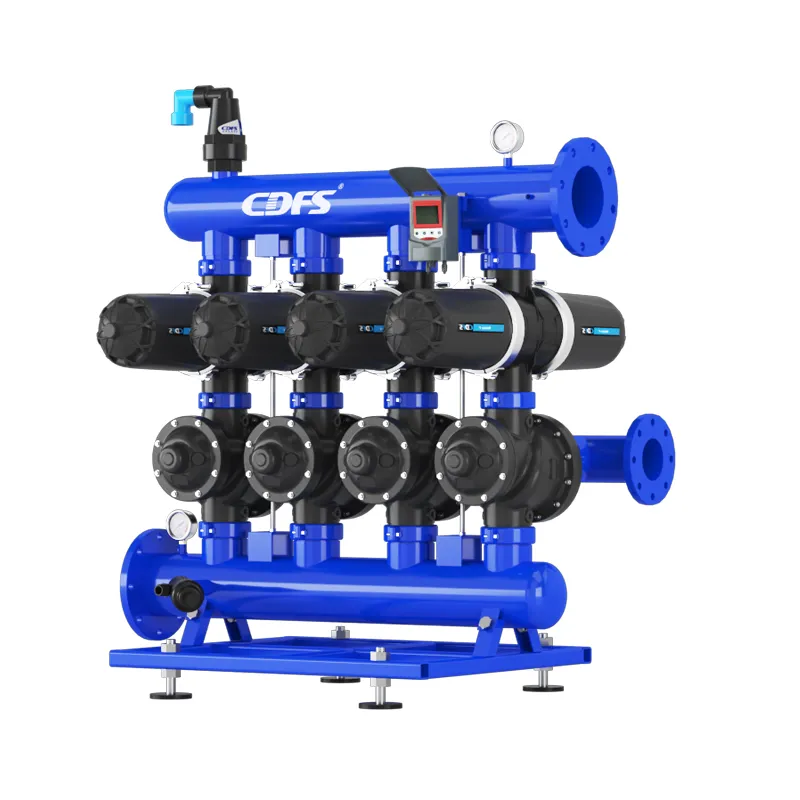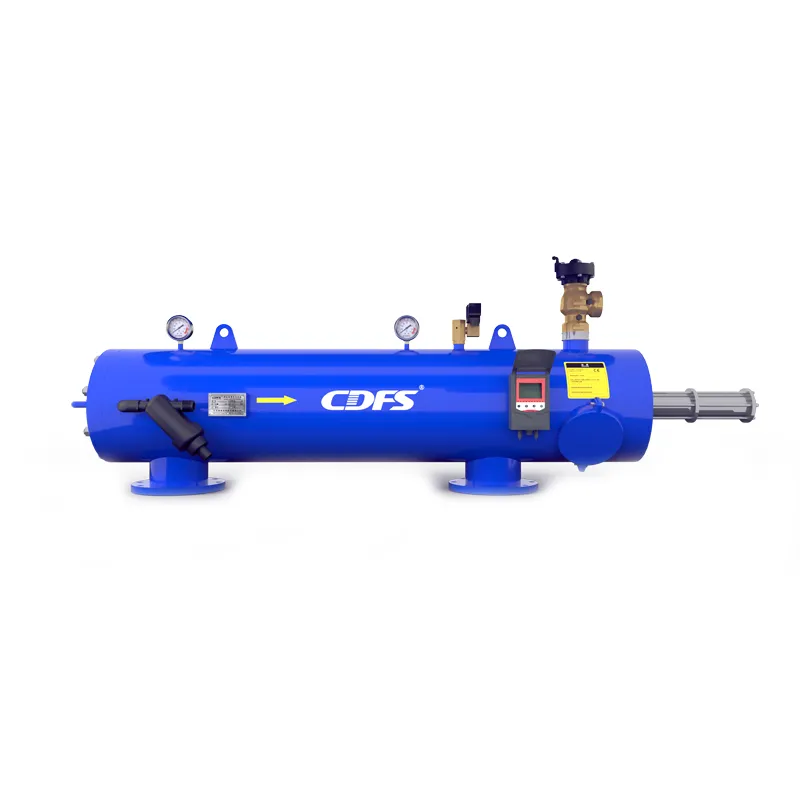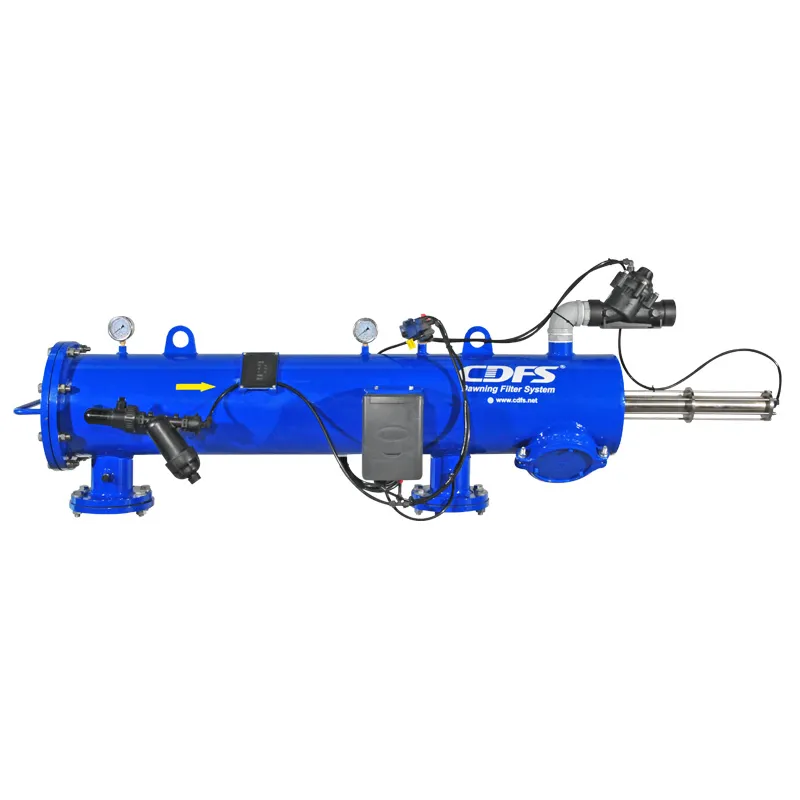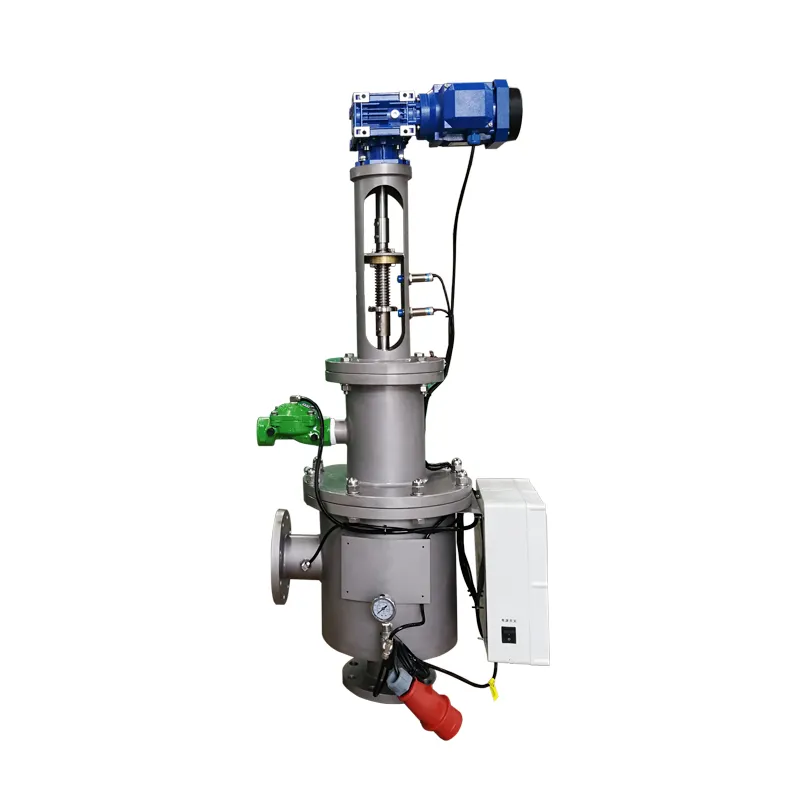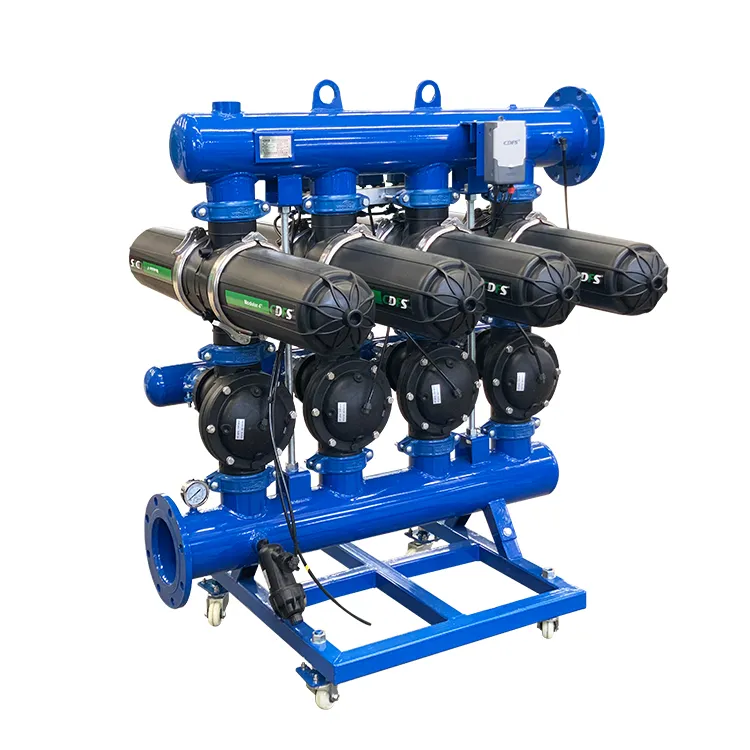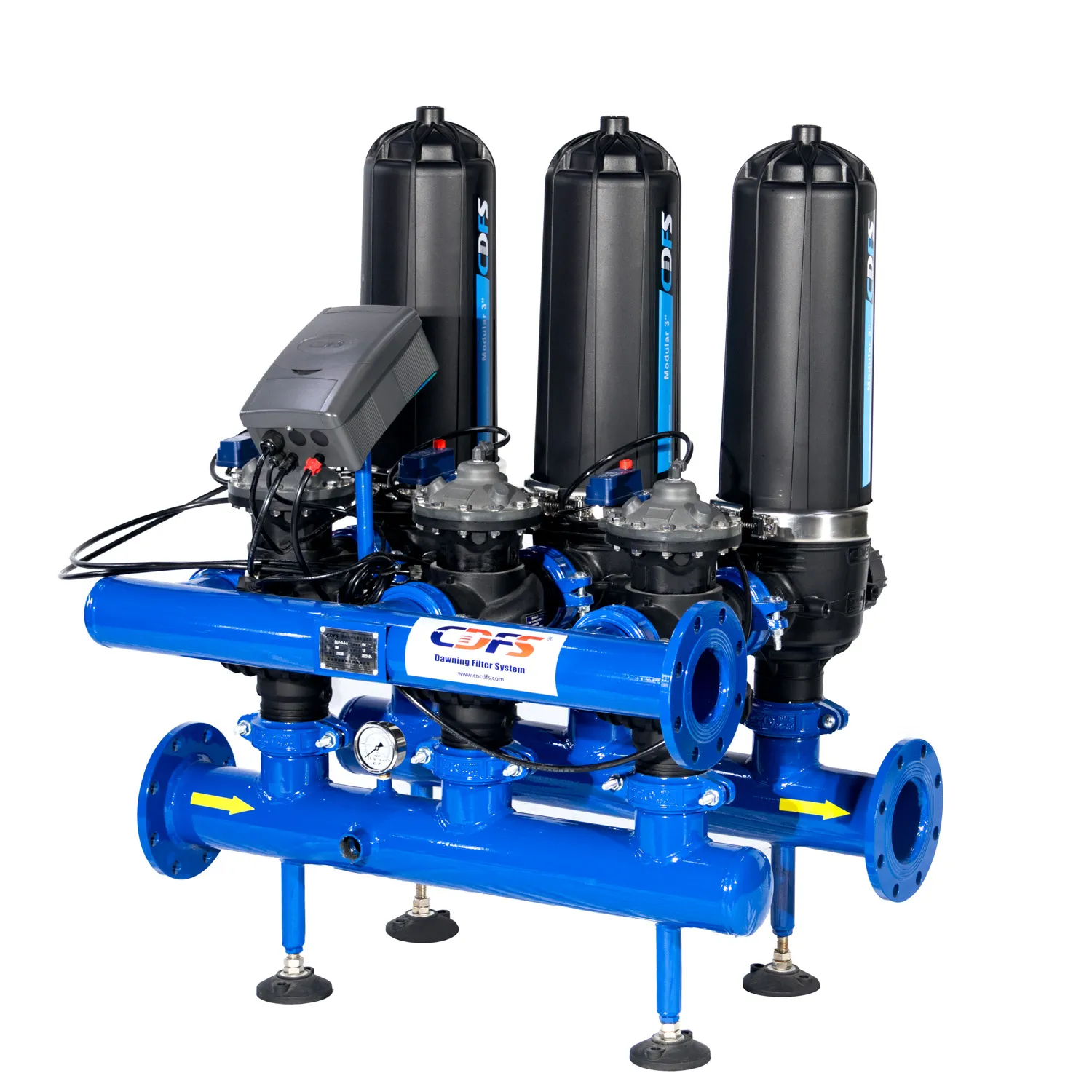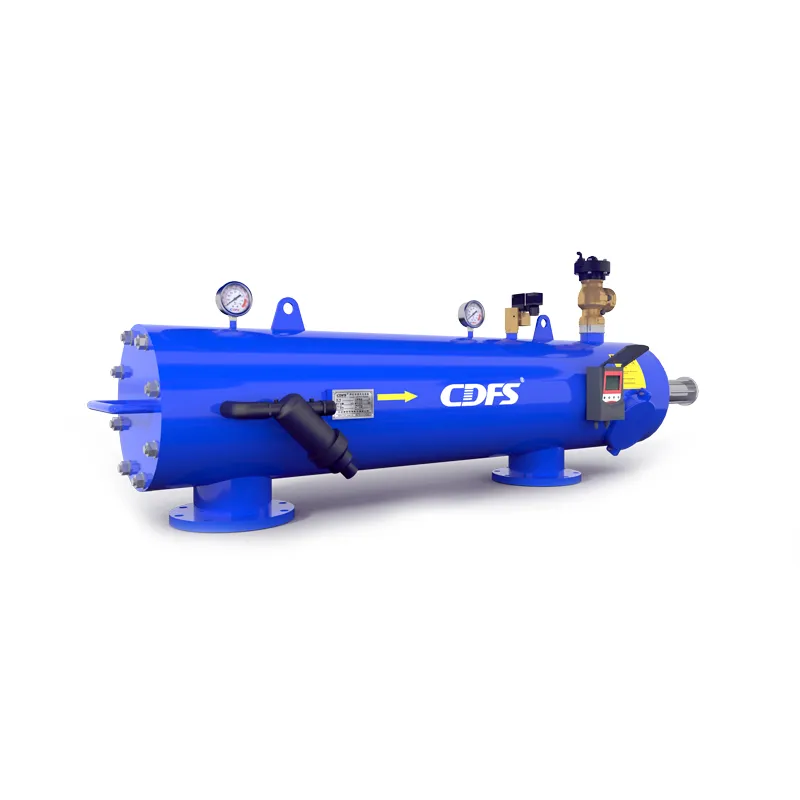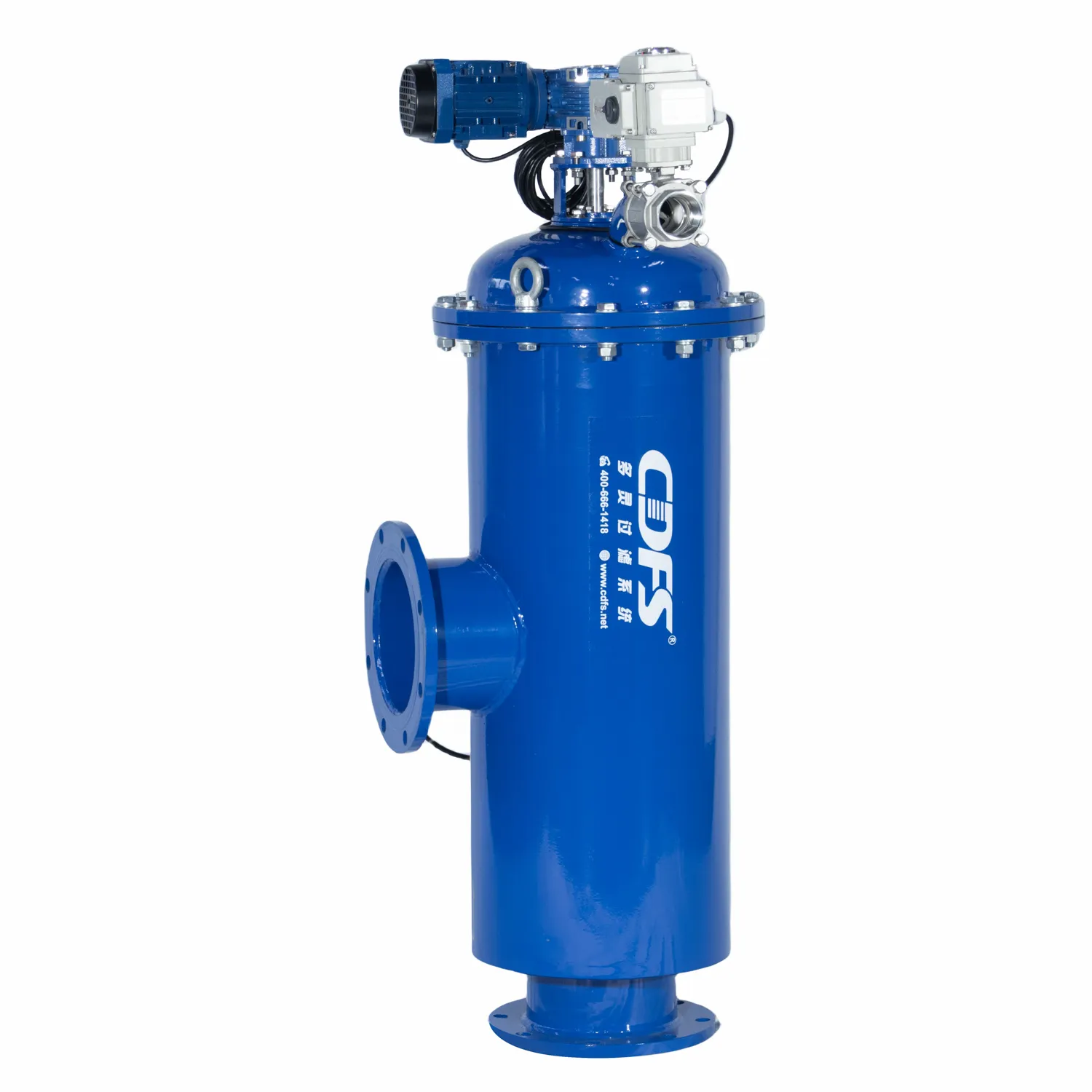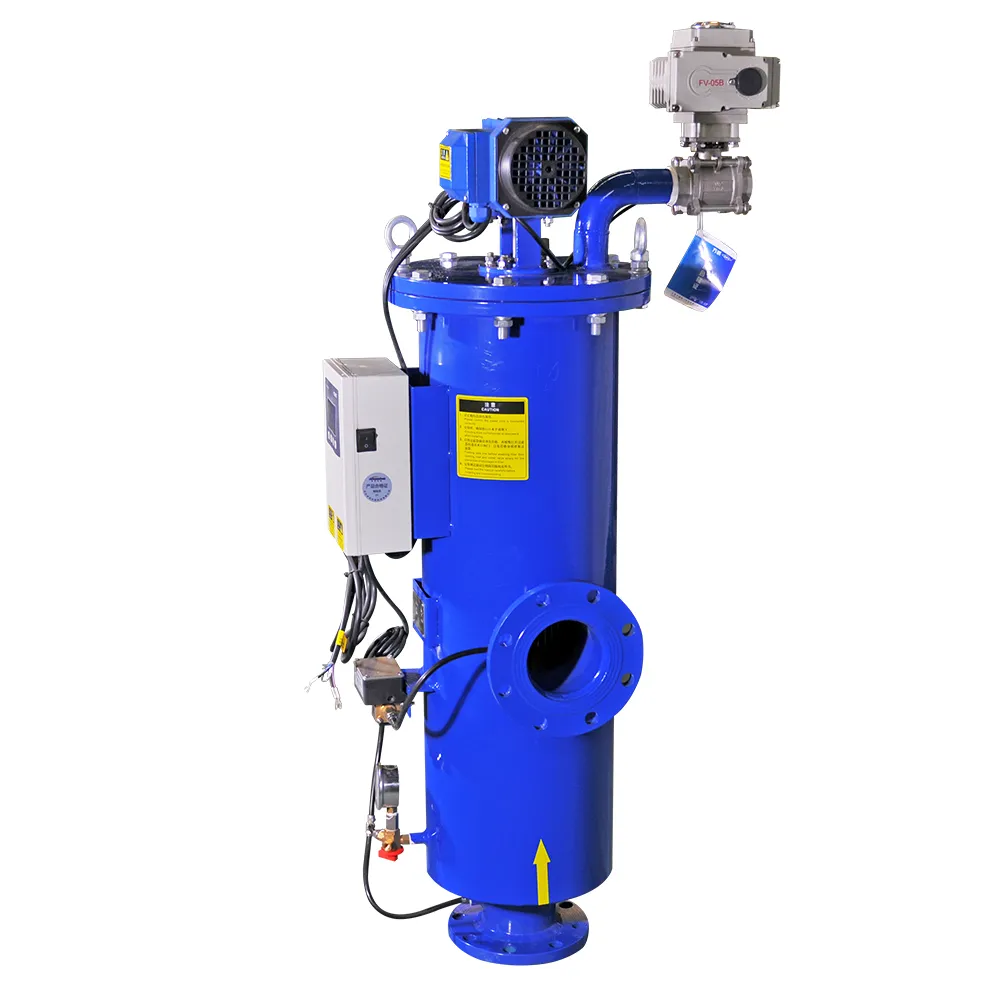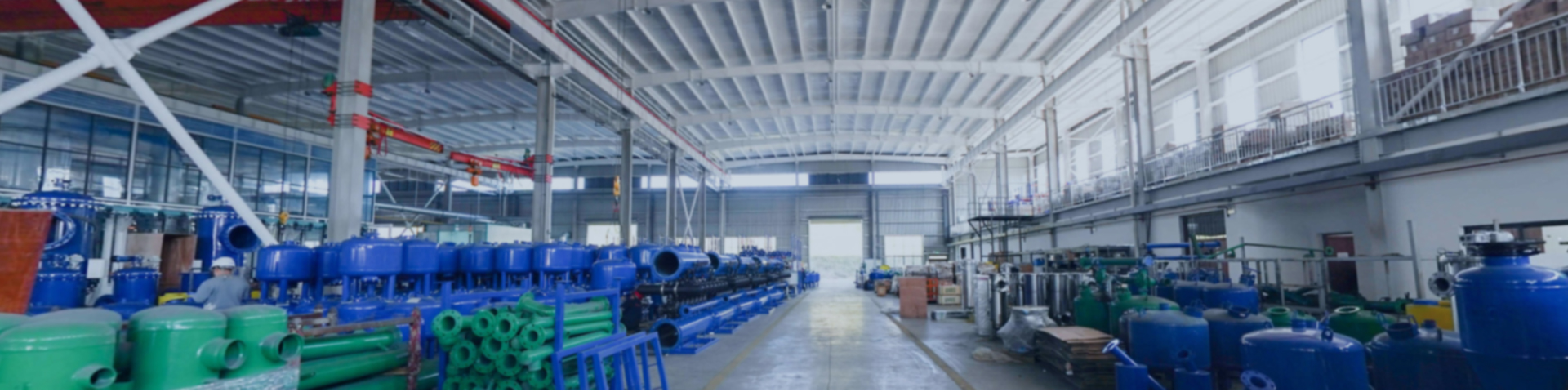
Each unit produced by media filtration agriculture use factory is tested to meet international performance standards, such as ISO and CE certifications. The testing protocols cover pressure retention, filtration efficiency, material resistance, and operational flow rate. With a strong commitment to compliance and reliability, these factories ensure that every system sent out delivers both immediate usability and long-term stability. This approach reduces post-installation issues and strengthens customer confidence globally.
Layering filtration media is one of the most critical stages in any media filtration agriculture use factory. Media such as silica sand, garnet, and activated carbon are cleaned, dried, and classified by size. Technicians then load the media into the filter tank in specific sequences and depths. This process is done according to flow capacity, contaminant type, and application to optimize filtration efficiency and prevent media migration.
Q: How does Media filter factory contribute to the customization of media filters for diverse applications? A: Media filter factory specialize in tailoring media filters to meet specific client needs by selecting appropriate filter media types, adjusting bed depths, and designing filter housings to optimize performance for various water qualities and industrial processes. Q: What quality control measures are implemented by Media filter factory in manufacturing media filters? A: Media filter factory maintain strict quality control protocols including material inspection, precision assembly, and pressure testing to ensure every media filter produced meets industry standards and delivers reliable, long-term filtration performance. Q: How does Media filter factory optimize the backwash system in their media filters? A: By engineering efficient backwash mechanisms, Media filter factory reduce water usage and downtime during cleaning cycles, enhancing the overall sustainability and operational efficiency of their media filters across applications. Q: What types of industries benefit from media filters produced by Media filter factory? A: Clients in municipal water treatment, agriculture, food and beverage processing, and various manufacturing sectors rely on Media filter factory for media filters that effectively remove suspended solids and protect critical infrastructure. Q: How does Media filter factory ensure environmental compliance in their media filter designs? A: Media filter factory design media filters to minimize water and energy consumption, use environmentally friendly materials, and incorporate features that support regulatory compliance related to wastewater discharge and resource conservation.
I like how this disc filter saves water and reduces manual cleaning effort. It’s well-made and reliable, ideal for our industrial circulating water system.
Highly cost-efficient filter with layered quartz and carbon media. Our cooling water system runs cleaner, and maintenance intervals have been extended significantly.
To protect the privacy of our buyers, only public service email domains like Gmail, Yahoo, and MSN will be displayed. Additionally, only a limited portion of the inquiry content will be shown.
We’re replacing manual mesh filters with auto types. Does your model handle river water with algae...
Can your irrigation filters be automated for timer-based backwashing? Looking for solutions to reduc...



 EN
EN
 FR
FR
 NL
NL
 RU
RU
 AR
AR
 VI
VI
 LO
LO
 RO
RO
 TH
TH
 MY
MY
 MS
MS
 PT
PT
 ES
ES
 KO
KO
 BE
BE
 JA
JA
 FIL
FIL
 KA
KA
 DE
DE
 IT
IT