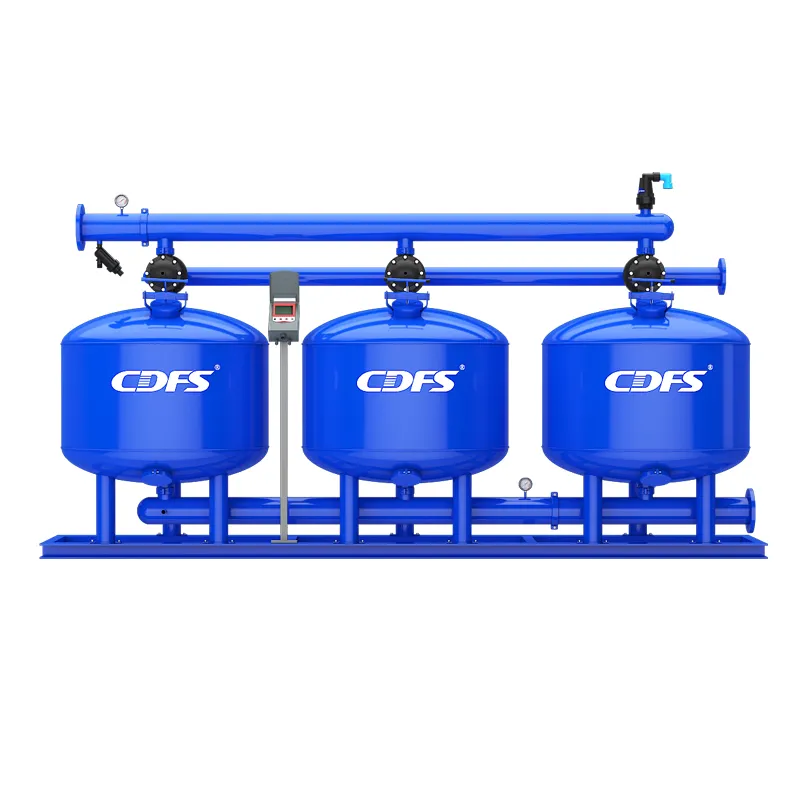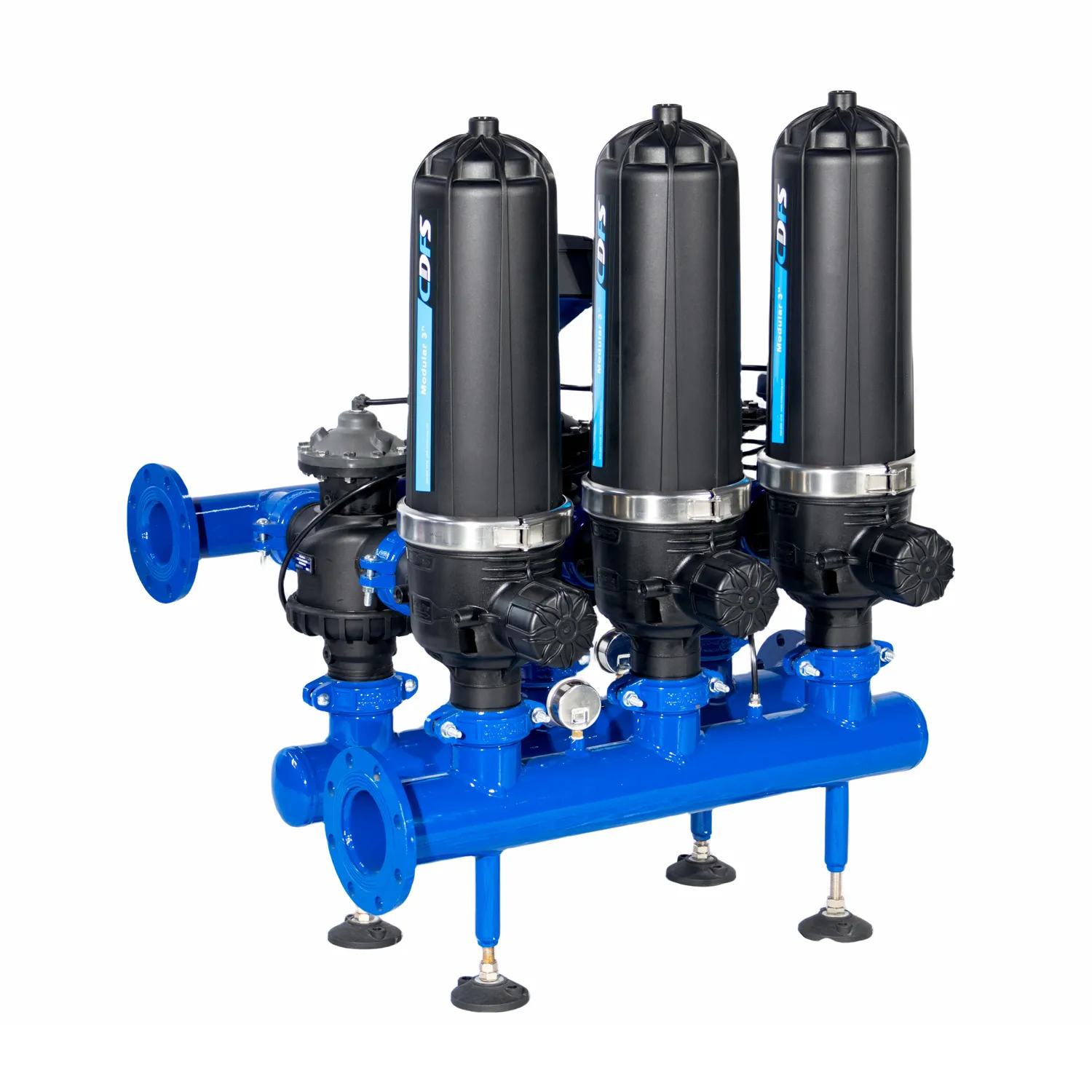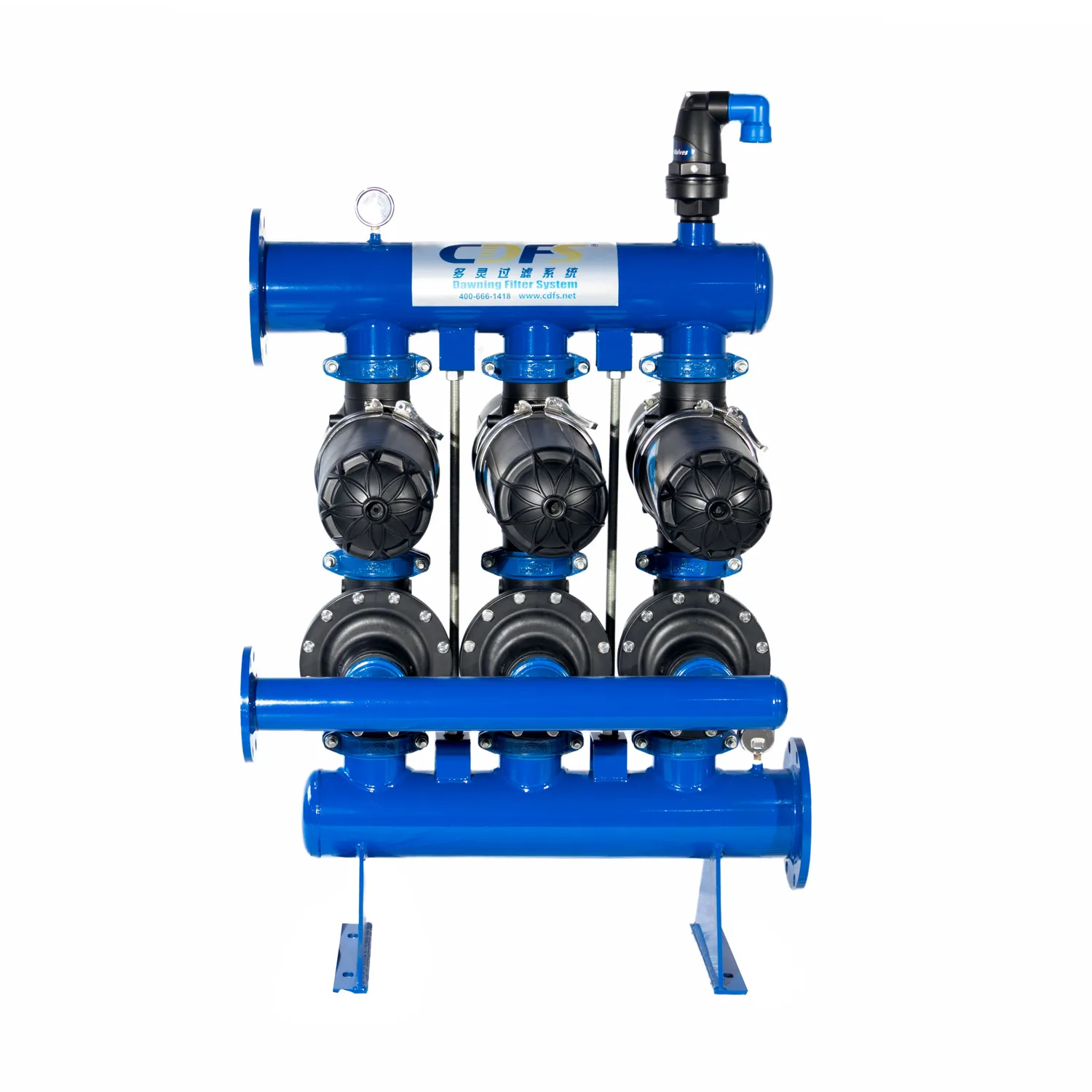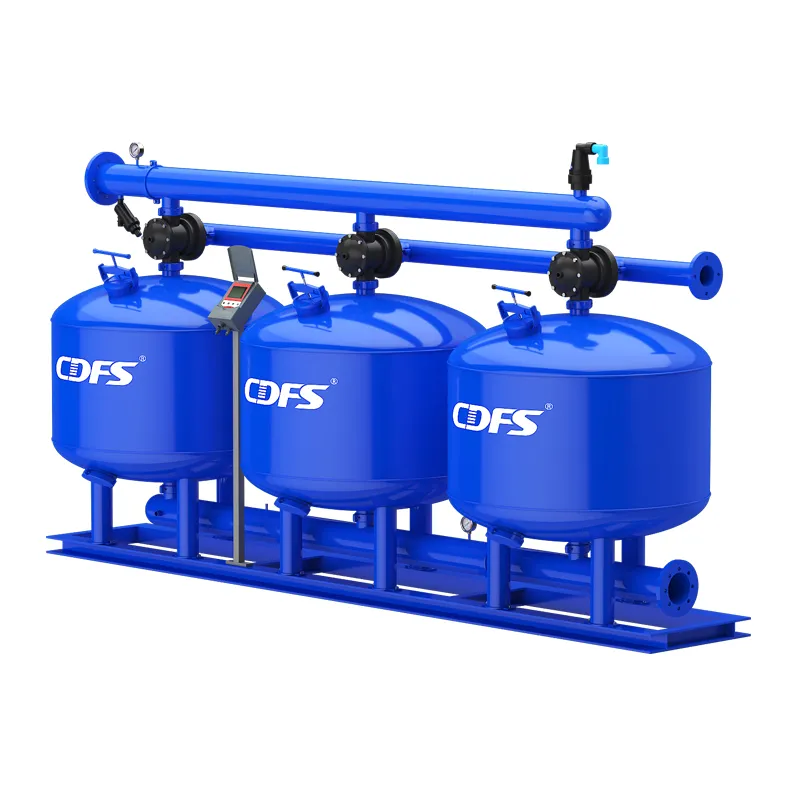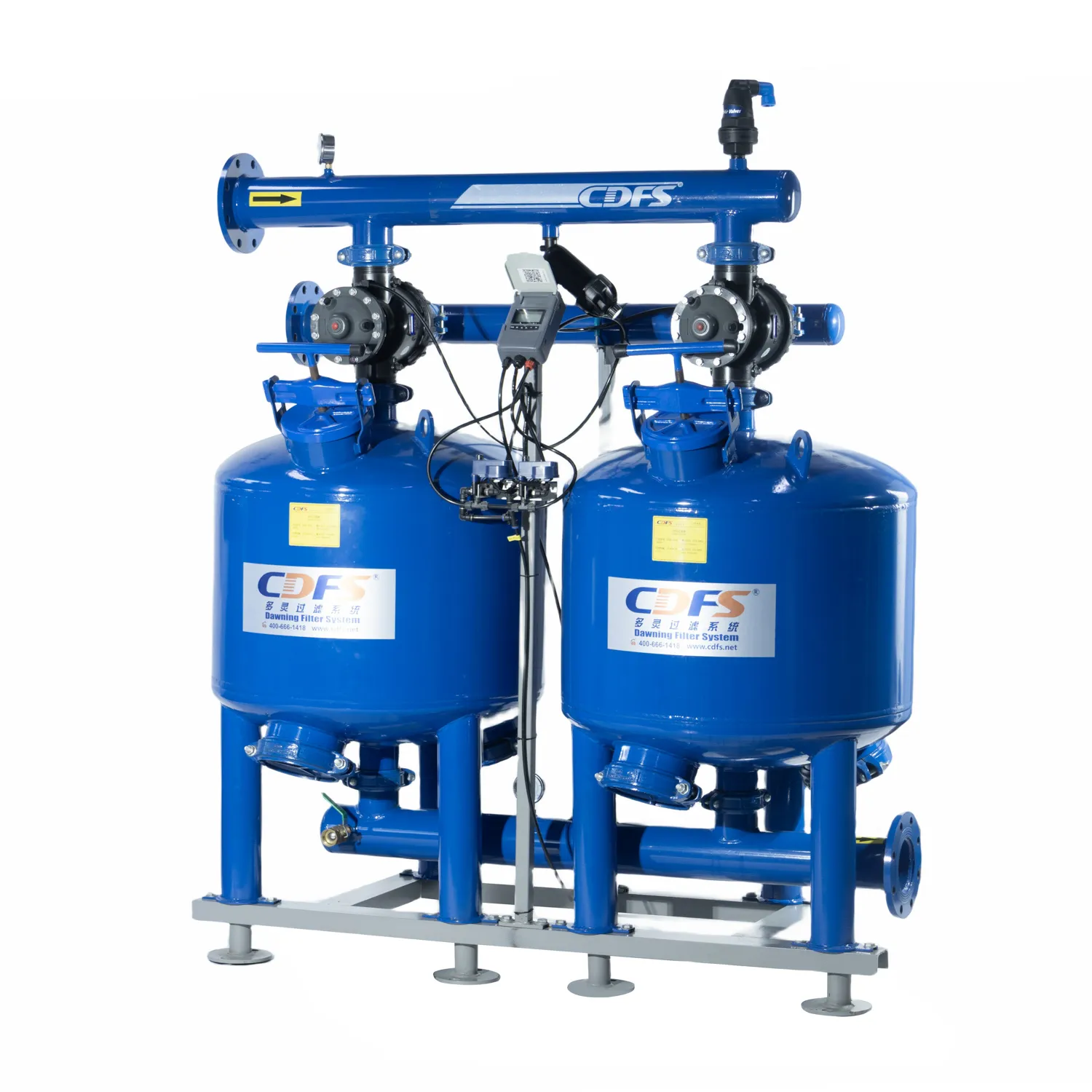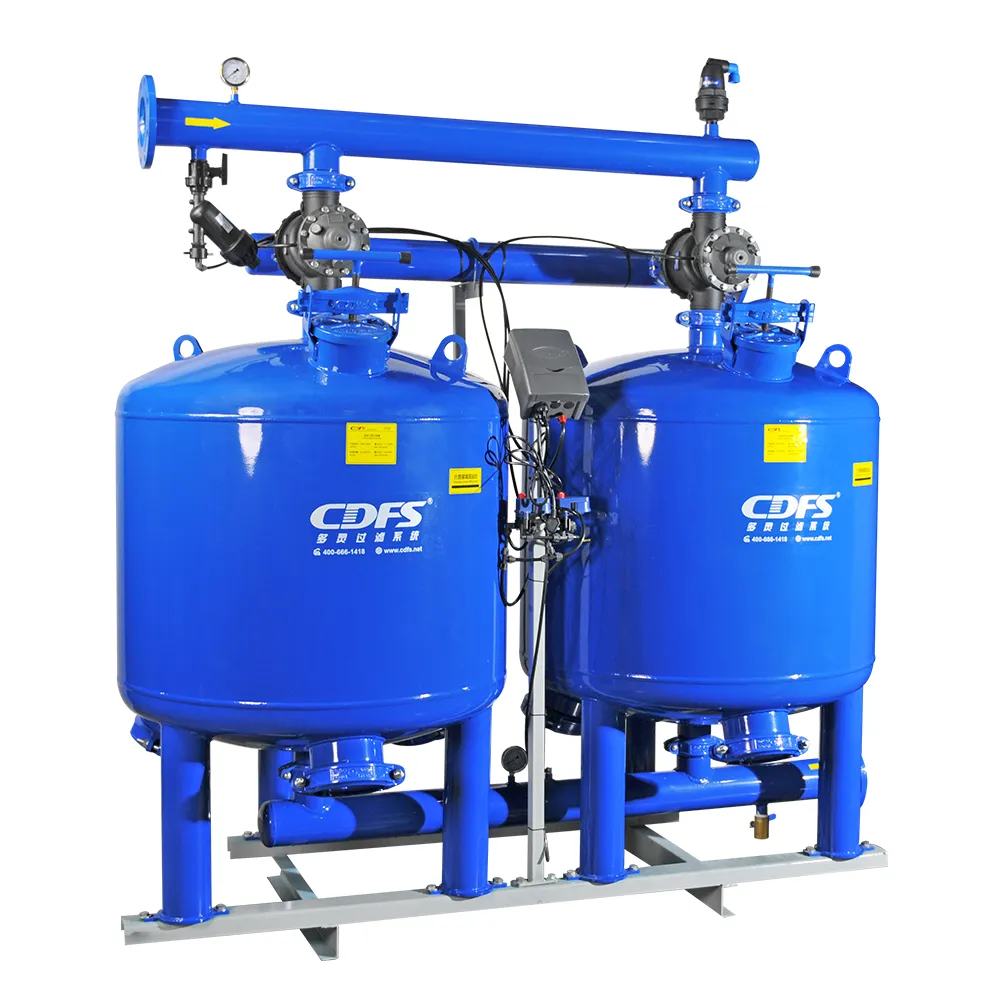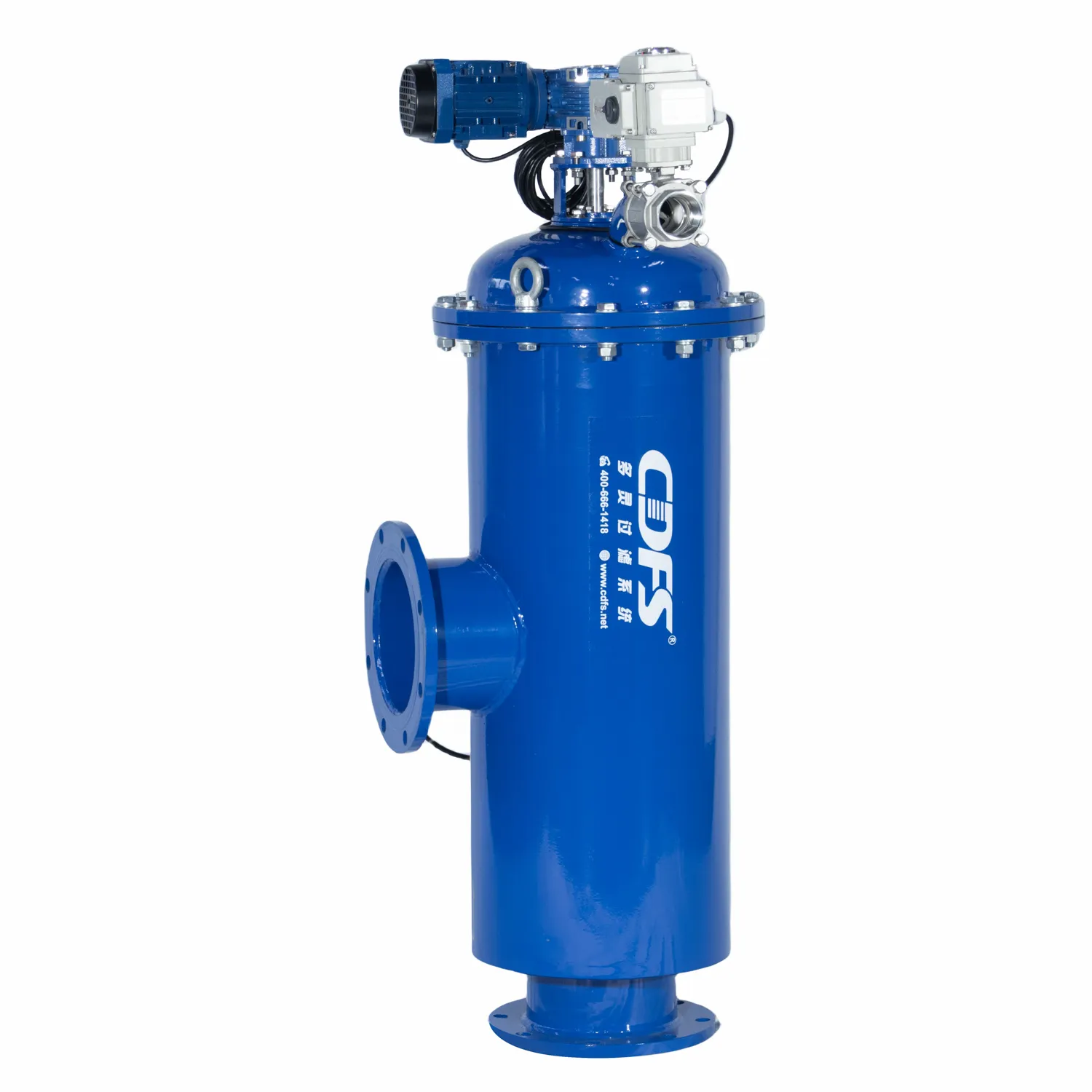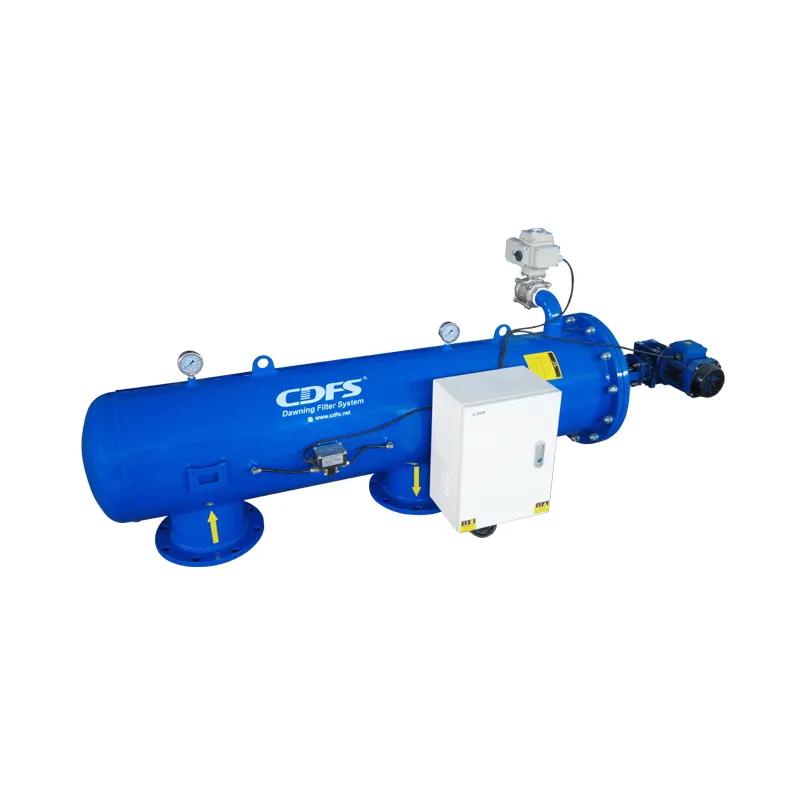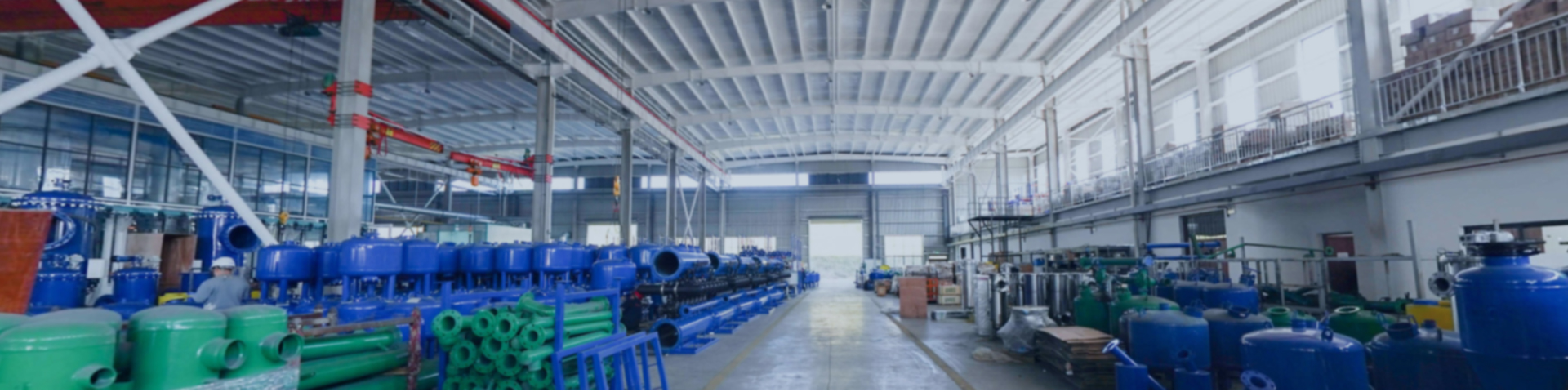
The factory environment of a electric filtration screen unit factory supports stringent safety protocols to protect workers and maintain uninterrupted production. Safe handling of heavy machinery and metal components prevents accidents that could disrupt manufacturing schedules. By prioritizing employee well-being, the factory sustains consistent output of automatic screen filters, benefiting customers with reliable product availability.
The assembly process in a electric filtration screen unit factory combines automated robotics with manual inspection to achieve optimal filter performance. After individual components like screen cylinders, motors, and valves are produced, they are carefully assembled and tested for mechanical alignment and responsiveness. The factory’s hybrid approach balances efficiency with accuracy, reducing production errors. This results in automatic screen filters capable of smooth operation and consistent self-cleaning cycles, essential for minimizing maintenance.
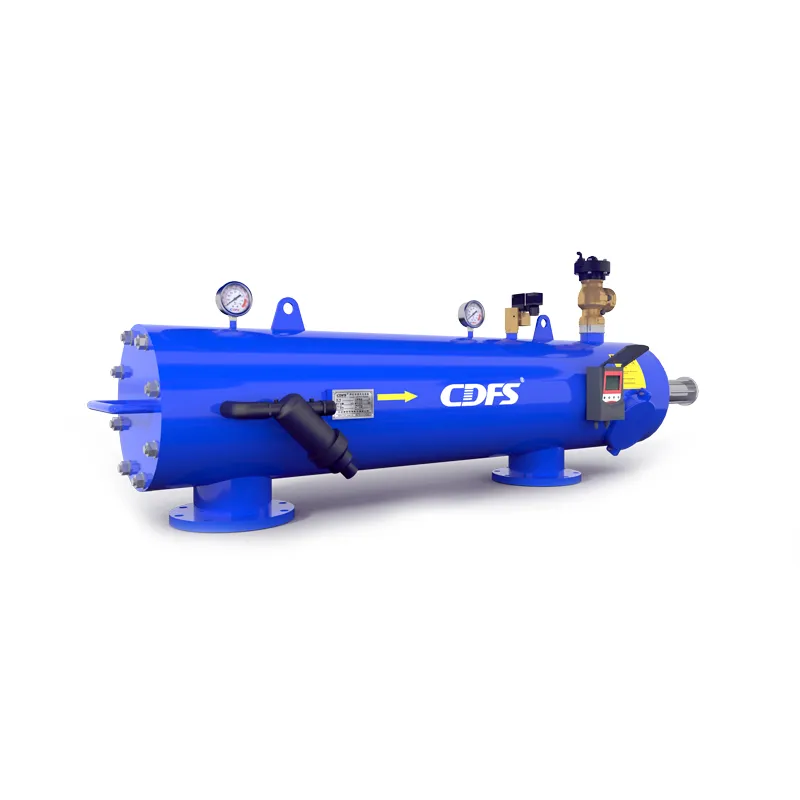
Q: What makes filters produced by an Automatic screen filter factory different from conventional filters? A: Filters made by an Automatic screen filter factory are designed to operate without manual intervention. These automatic screen filters use differential pressure sensors to detect clogging and trigger a self-cleaning cycle, maintaining uninterrupted filtration without downtime. Q: What filtration range can be achieved by systems produced in an Automatic screen filter factory? A: An Automatic screen filter factory can manufacture filters with screen elements ranging from 50 to 800 microns, allowing users to choose based on specific water quality and application needs. Fine screens capture sand, silt, and other debris efficiently. Q: How do filters from an Automatic screen filter factory handle high-flow systems? A: Filters produced by an Automatic screen filter factory are engineered with reinforced housings and high-capacity screen areas, making them suitable for high-flow agricultural or industrial systems. Their robust design ensures consistent performance under pressure. Q: What is the advantage of the automatic self-cleaning mechanism in filters from an Automatic screen filter factory? A: The self-cleaning system uses suction nozzles or brushes to remove debris from the screen without stopping the filtration process. This automation, a hallmark of filters from an Automatic screen filter factory, greatly reduces labor and maintenance costs. Q: Are materials used in filters from an Automatic screen filter factory corrosion-resistant? A: Yes, an Automatic screen filter factory typically manufactures its products using stainless steel or high-grade polymers to resist corrosion from chemicals or saline water, ensuring long service life and dependable operation in harsh environments.
The filter’s performance is very stable under different water qualities. It is simple to install and maintain. Definitely a great choice for industrial water treatment.
Very durable and clog-resistant. We installed this filter in our drip irrigation system, and it has been performing flawlessly for several months.
To protect the privacy of our buyers, only public service email domains like Gmail, Yahoo, and MSN will be displayed. Additionally, only a limited portion of the inquiry content will be shown.
Looking for an irrigation filter that can handle high sand content without clogging. What’s the re...
Is it possible to customize disc size and groove depth for different filtration precision? We have v...



 EN
EN
 FR
FR
 NL
NL
 RU
RU
 AR
AR
 VI
VI
 LO
LO
 RO
RO
 TH
TH
 MY
MY
 MS
MS
 PT
PT
 ES
ES
 KO
KO
 BE
BE
 JA
JA
 FIL
FIL
 KA
KA
 DE
DE
 IT
IT